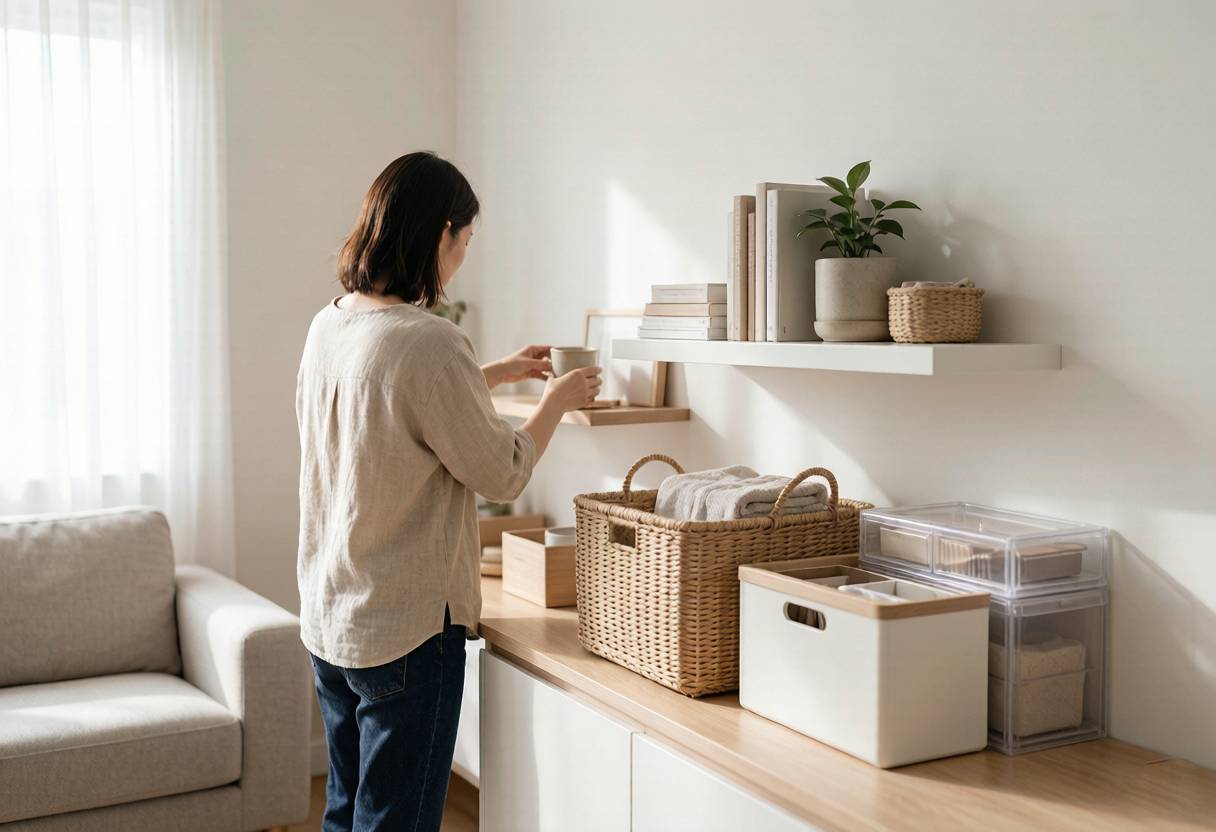
Visual overview
What this product category looks like in real use
Quick verdict
The best storage bin for a small space is not the biggest one. It is the one that fits the exact place you need to organize, is easy to pull out and put back, and keeps everyday items visible enough to use. In small homes, the right size and shape matter more than buying a matching set too early.
Top picks at a glance
| Pick | Best for | Why it stands out | Tradeoff |
|---|---|---|---|
| Best overall | Everyday household organizing | Flexible enough for closets, shelves, and open cubbies | Not every room needs the same style |
| Best clear bin | Quick visibility | Easy to see contents without opening everything | Can look busier in open storage |
| Best lidded bin | Dust protection and stacking | Good for seasonal or less-used items | Slightly slower access |
| Best soft bin | Living rooms and visible shelves | Warmer look and lighter weight | Less structure for heavy items |
| Best under-bed bin | Hidden storage | Makes use of difficult low spaces | Size must be measured carefully |
What matters most in small-space storage
1. Fit before volume
Small-space organization is about using awkward gaps well. Measure shelf depth, closet width, cabinet height, and bed clearance before buying anything.
2. Easy access
A bin that is technically organized but annoying to reach will not stay tidy for long. Handles, open tops, or front access can make a big difference.
3. Stackability
Stackable bins are useful when floor space is limited, but only if they remain stable and easy to separate when needed.
4. Visibility
Clear bins help with fast access, while opaque or fabric bins look calmer in open shelving. The right option depends on whether function or appearance matters more in that spot.
5. Material strength
Light fabric bins are great for clothing, accessories, or paper goods. Heavier items such as books, tools, or canned food usually need more rigid plastic or reinforced sides.
Which type should you buy?
Choose a general-purpose bin if…
You want a simple solution for closets, entryways, kids’ items, or shelf organization.
Choose clear bins if…
You forget what is stored where and want faster access without constant labeling.
Choose lidded bins if…
You are storing seasonal clothing, backup toiletries, extra bedding, or items that gather dust.
Choose fabric bins if…
The bins will stay visible in a bedroom, office, or living room and you want a softer look.
Choose low-profile under-bed bins if…
You need hidden storage and do not want extra furniture taking up floor space.
Best uses by room
Bedroom
Use bins for out-of-season clothing, socks, accessories, extra linens, or under-bed overflow.
Bathroom
Smaller bins work well for hair tools, backup soap, towels, and toiletries that otherwise spread across drawers.
Kitchen and pantry
Rigid bins help group snacks, packets, cans, or baking supplies into easy grab-and-go zones.
Living room
Fabric or matching bins can hide remotes, charging cables, pet toys, and hobby supplies without making the room feel cold.
Entryway
A few medium bins can control shoes, tote bags, umbrellas, and daily grab items much better than a pile on the floor.
Common buying mistakes
Buying one giant bin
Large bins become catch-all boxes that are hard to lift and harder to keep sorted.
Forgetting to label similar bins
If everything looks the same, the system quickly breaks down during busy weeks.
Using soft bins for heavy items
They may collapse, drag, or become frustrating to move.
Ignoring how often you need the contents
Frequently used items should be stored in bins that open or pull out easily.
Quick organizing tips
- Measure first and keep the note on your phone while shopping
- Group by use, not just by item type
- Start with the messiest zone instead of buying a whole-house system immediately
- Use labels even when the bin feels obvious at first
- Leave a little empty space so the system can stay flexible
FAQ
Are clear storage bins better for small spaces?
They are often better for fast access, but they can make open shelves look visually busy. Use them where convenience matters most.
What size bin works best in a small apartment?
Usually small to medium bins work better than oversized bins because they fit more places and are easier to lift.
Are fabric bins durable enough?
Yes for lighter items like clothing, toys, or accessories. For heavier storage, rigid bins are usually the safer choice.
How many types of bins should I buy?
As few as possible at first. Start with the spaces causing the most stress, then expand only after you know what actually works.
Final verdict
The best storage bins for small spaces help you use tight areas more intentionally without creating a system that is hard to maintain. Focus on exact fit, easy access, and the weight of what you plan to store. A few well-chosen bins can make a small home feel calmer, cleaner, and much easier to live in.