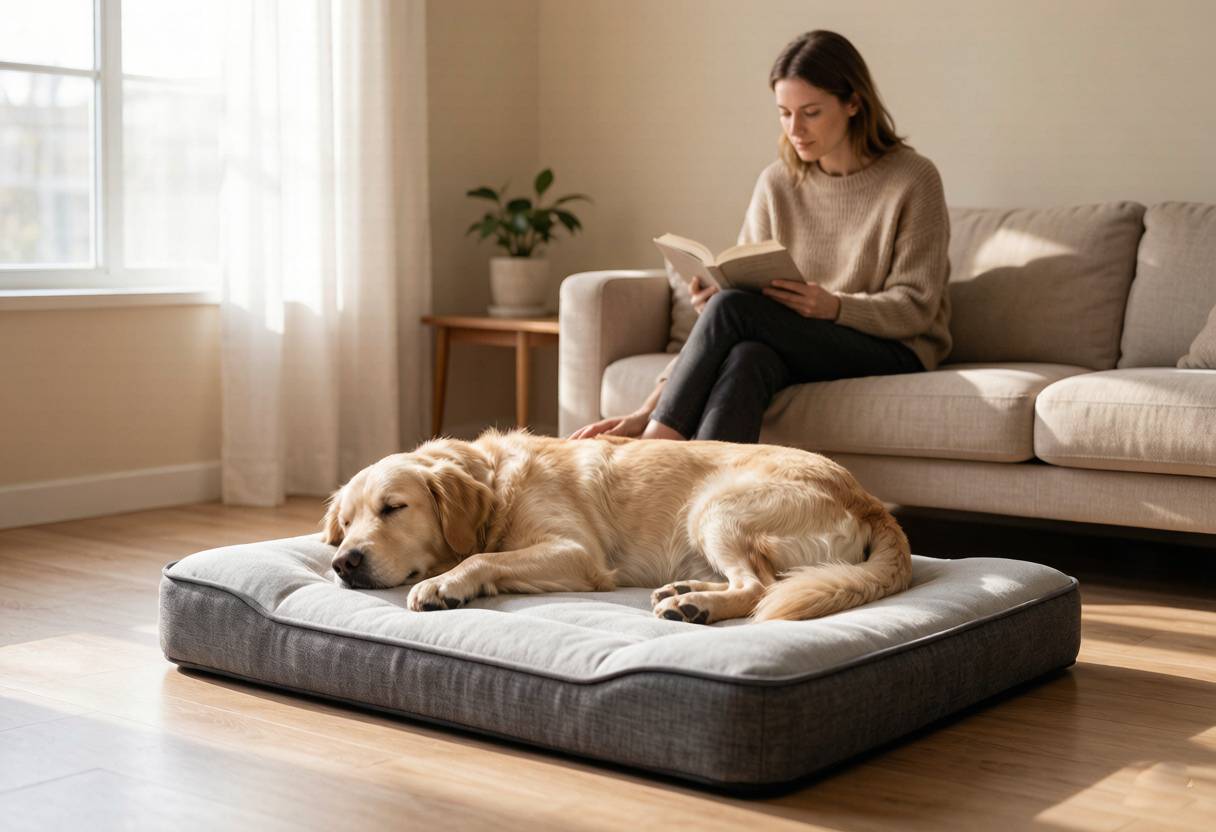
Visual overview
What this product category looks like in real use
Quick verdict
If your dog destroys soft toys in minutes, the answer is usually not to stop buying toys altogether. It is to switch categories. The best chew toys for aggressive chewers are sized correctly, made for heavier bite pressure, and interesting enough that the dog keeps coming back to them.
Top picks at a glance
| Pick | Best for | Why it stands out | Tradeoff |
|---|---|---|---|
| Best overall | Most strong chewers | Good balance of toughness, texture, and everyday use | Still needs inspection over time |
| Best for boredom relief | Dogs home alone part of the day | Keeps mouths busy longer | Interest varies by dog |
| Best for food stuffing | Dogs motivated by treats | Adds licking and problem-solving | More cleanup involved |
| Best for large breeds | Bigger jaws and stronger bite force | More suitable size and density | Too large for small dogs |
| Best starter option | New chewers moving beyond plush toys | Easier transition into tougher materials | May not satisfy the strongest chewers |
What aggressive chewers really need
1. Correct sizing
A toy that is too small can become a choking risk or wear down too quickly. A toy that is too large may feel awkward and get ignored. Matching the toy to the dog’s mouth size and chewing style matters more than the marketing label.
2. Appropriate material firmness
Some dogs want a firm, resistant chew, while others prefer a slightly flexible material with bounce. Ultra-hard is not always better if it makes the dog lose interest.
3. Texture and engagement
Ridges, grooves, or stuffable sections can make a toy last longer in practice because the dog stays mentally engaged instead of just crushing it once and walking away.
4. Ongoing inspection
Even durable toys wear down. Check for chunks, sharp edges, cracks, or heavily frayed areas and replace the toy when it no longer feels safe.
Which type should you buy?
Choose the best overall chew toy if…
You need one reliable daily option for a dog that chews hard but not obsessively all day.
Choose a boredom-focused chew if…
Your dog mainly gets destructive when left alone, under-stimulated, or stuck indoors during bad weather.
Choose a stuffable chew if…
Your dog is highly food motivated and needs a toy that holds attention longer than a plain chew surface.
Choose a heavy-duty large-breed option if…
You have a powerful dog that destroys average chew toys too fast to be practical.
Choose a gentler starter chew if…
You are moving away from plush toys and want to test a tougher format without going to the firmest material immediately.
Signs a chew toy is a good match
- Your dog returns to it regularly without destroying it instantly
- It creates engagement without obvious frustration
- The size looks safe during normal chewing sessions
- Wear appears gradual rather than sudden or chunk-based
- It helps reduce chewing on furniture, shoes, or other household items
Common buying mistakes
Looking for something indestructible
That label creates unrealistic expectations. The real goal is safer, longer-lasting enrichment.
Ignoring your dog’s chewing style
Some dogs gnaw patiently, others try to tear or split. The same toy can perform very differently across those behaviors.
Using one toy forever
Rotating two or three durable toys often works better than expecting one toy to do all the enrichment work.
Not supervising a new toy at first
Whenever you introduce a different material or design, watch how your dog interacts with it before leaving it out regularly.
Safety tips
- Choose the correct size range for your dog’s weight and jaw strength
- Remove the toy if large pieces begin breaking off
- Wash the toy regularly if it collects saliva and debris
- Rotate toys to keep interest higher
- Use food-stuffing only when the toy design clearly supports it
FAQ
What is the best material for aggressive chewers?
There is no single best material for every dog. Durable rubber-style chews and tougher synthetic designs are common starting points, but fit and supervision matter most.
Are rope toys good for aggressive chewers?
They can work for tug or supervised play, but many heavy chewers shred them quickly. They are usually not the longest-lasting solo chew option.
How many chew toys should a strong chewer have?
Usually two to four reliable options are enough for rotation, depending on how often your dog chews and how fast toys wear down.
When should I throw a chew toy away?
Replace it when chunks come off, cracks deepen, sharp edges appear, or the toy becomes small enough to be unsafe.
Final verdict
The best dog chew toy for an aggressive chewer is the one that matches your dog’s size, chewing style, and boredom level without turning into a safety problem. Start with a durable correctly sized option, monitor wear closely, and build a small rotation. That approach usually works better than chasing a mythical indestructible toy.